What Progress Carries
А. Фёдорова26 June 20267 min read
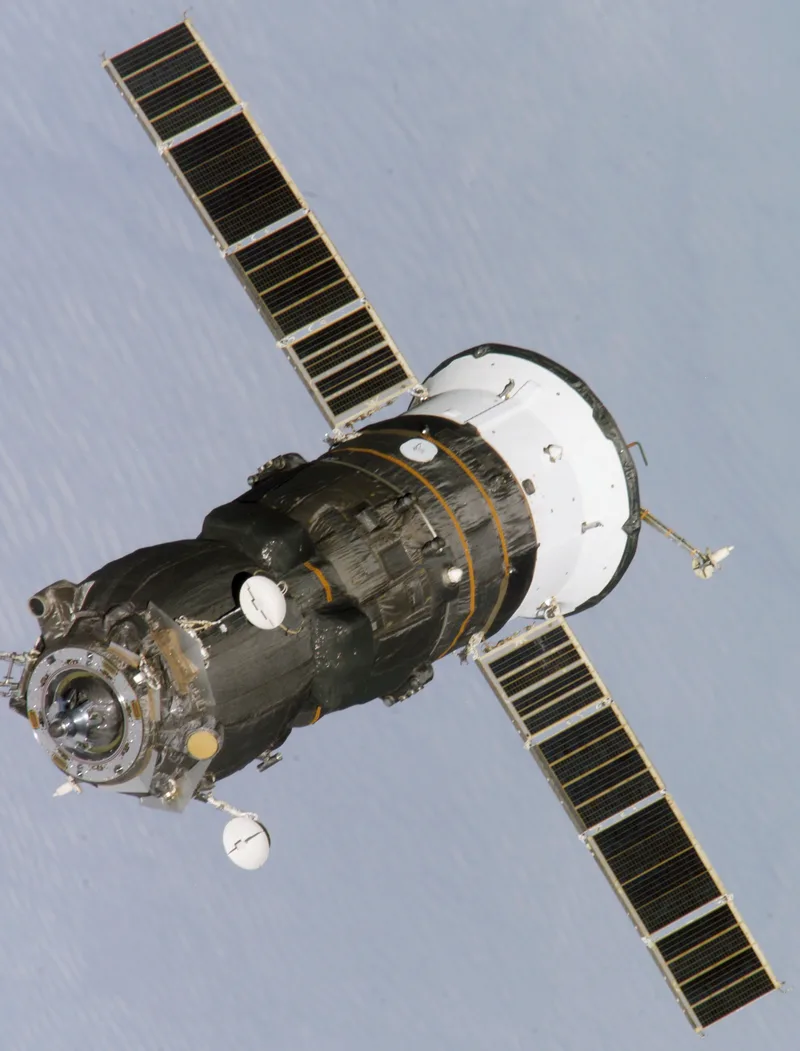
Water, air, propellant, food and parcels: how the logistics of an orbital station work.
One person in orbit consumes about thirty kilograms of consumables a day if you count everything: oxygen, water for drinking and hygiene, food, atmosphere-scrubbing media and replacement filters. For a crew of three over six months that is more than sixteen tonnes — four times the mass of the cargo ship itself.
So most of the cycle is closed. Water is regenerated from cabin condensate and urine, oxygen is produced by electrolysis of that same water, carbon dioxide is absorbed by replaceable cartridges. Regeneration is not free: it needs power and consumables, but the balance still favours it.
What must be flown up is propellant. Progress carries a refuelling compartment from which fuel and oxidiser are pumped into the station's tanks through lines. The station constantly loses altitude to residual atmospheric drag, and without periodic reboosts it would decay within months. It is propellant, not food, that sets the minimum frequency of cargo flights.
The rest is scientific equipment, spare parts, changes of clothing and personal parcels for the crew. Parcels are not a luxury: on long expeditions psychological load counts alongside the physical, and a letter from family or a favourite food affects performance no less than the treadmill.
Progress has no return leg. After unloading it is filled with waste and deorbited over the Pacific. That too is part of the logistics: rubbish on a station takes up volume, and volume in space costs more than mass.